Fantasy Baseball Forecaster Week 17: July 27-Aug. 2

The calendar has turned to late July, and for baseball observers tracking the sport through both a fantasy and wagering lens, the Week 17 window covering July 27 through August 2 represents one of the more consequential stretches of the regular season. Teams are now fully past the All-Star break and approaching the trade deadline, rosters are being evaluated, and the separation between contenders and pretenders is sharpening by the day. Weekly fantasy rankings — which synthesize pitcher usage, matchup quality, and hitter performance trends — serve as a useful proxy for the same underlying data that shapes the betting market.
What makes this particular week worth paying attention to is the convergence of schedule variables. Pitching rotations have settled into their post-break rhythms, giving analysts a cleaner read on who is being deployed in favorable matchups versus who is being thrown into buzzsaw situations. Hitter ratings reflect not just raw production but ballpark factors, opposing starter quality, and recent form — all of which feed directly into how sportsbooks price run totals and individual game sides. Fantasy forecasters are essentially doing a version of the same work oddsmakers do, just with roster decisions rather than point spreads as the output.
From a betting standpoint, weekly pitcher rankings function as a leading indicator for total movement. When a elite arm draws a favorable home matchup against an offense ranked near the bottom in runs scored, books will shade the total lower — sometimes aggressively — in anticipation of sharp money backing the under. Conversely, when a rotation is thin or a team faces three or four high-offense clubs in a single week, totals creep upward and first-five-inning lines become especially volatile. Late July is when these matchup edges get most pronounced, because teams with something to play for are keeping their best starters on normal rest while fringe clubs begin experimenting with younger arms, creating genuine quality gaps that the market doesn't always price efficiently right away.
The hitter ratings component matters for run-line and team-total bettors specifically. A cluster of favorable matchups for one club's lineup — say, multiple games against soft left-handers for a right-handed-heavy offense — can move a team total by half a run or more over the course of a series. Bettors who track these schedule observations ahead of the market have a narrow but real window to find value before lines adjust.
Looking ahead, the questions to monitor are straightforward but important. Watch how the trade deadline reshapes rotations — an acquired starter changes the calculus immediately. Track any workload signals from top pitchers who may be on innings limits. And keep an eye on which offenses are heating up or cooling off entering the stretch, because late-July form tends to carry momentum into the weeks where playoff positioning gets decided and line movement becomes most pronounced.
Reporting via ESPN. Analysis by the 4th & Value desk.
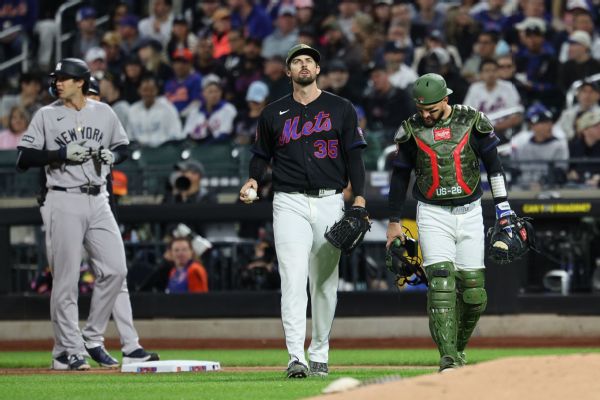 Mets' Clay Holmes: No progression on contract extension talks
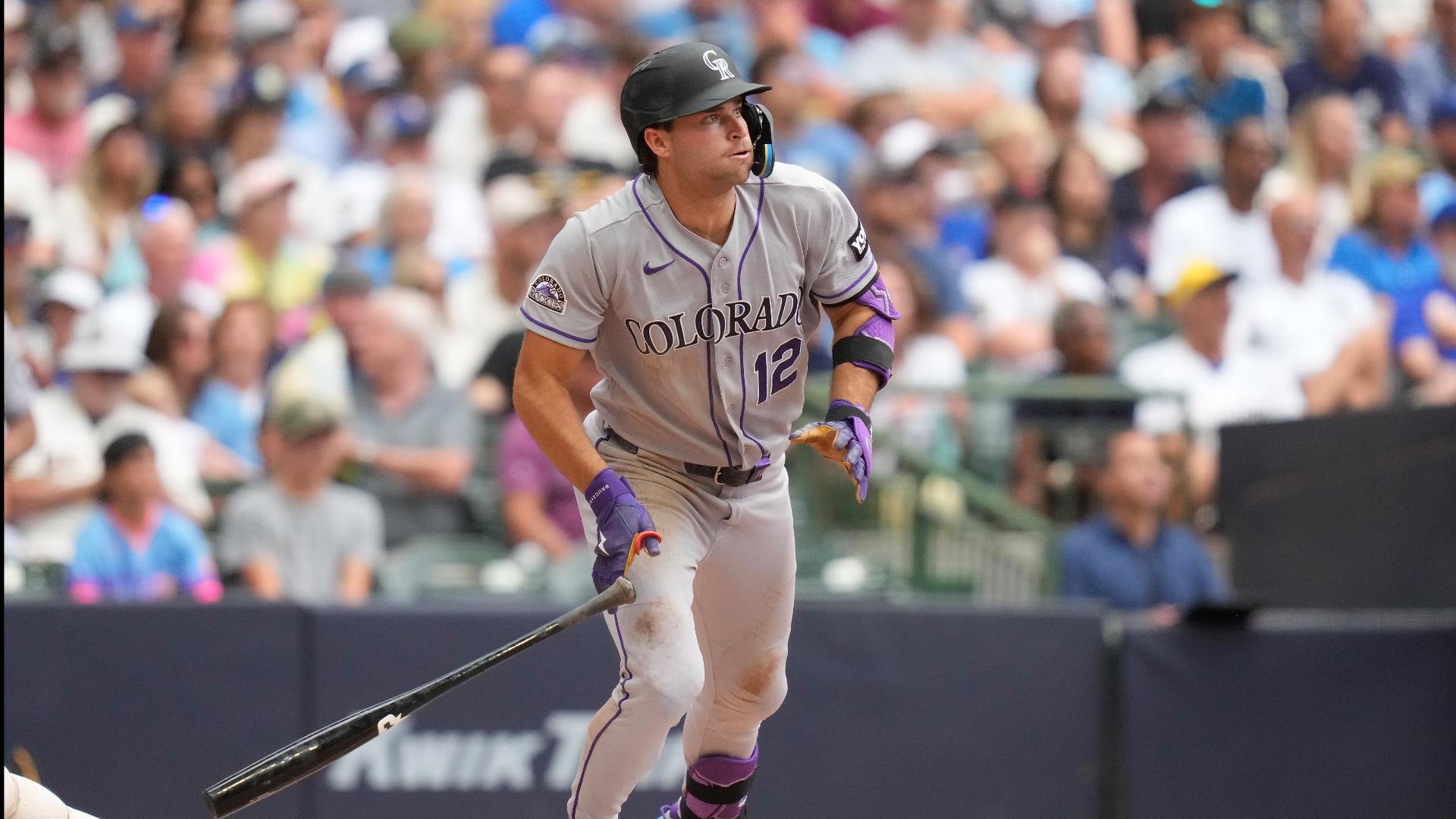 Colorado Rockies vs. Milwaukee Brewers: Game Highlights
 Tomoyuki Sugano earns his 10th win as Rockies defeat Brewers 5-2