Source: No vote on college sports bill expected before August
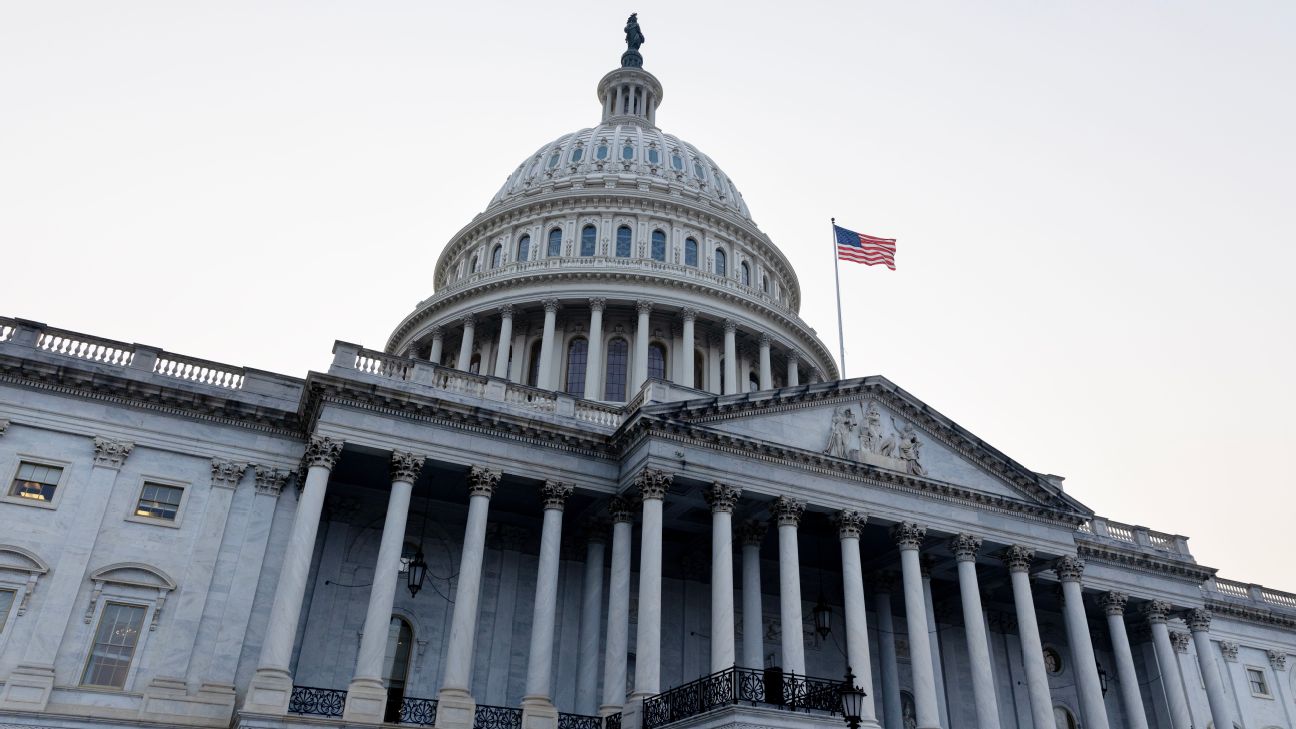
The federal push to reshape the legal landscape of college athletics is hitting another wall. A congressional source confirmed to ESPN that the Protect College Sports Act will not come to a full Senate vote before lawmakers break for their August recess, pushing any meaningful legislative action into the fall at the earliest. For an industry already operating in a patchwork of state-level NIL rules, court settlements, and conference realignment chaos, more delay from Washington means more uncertainty — and uncertainty has very real consequences for how bettors and sportsbooks approach college sports markets.
This matters because federal legislation targeting college athletics has the potential to fundamentally alter the structure of the sport. Depending on what provisions survive negotiation — scholarship limits, revenue sharing frameworks, eligibility rules — the competitive balance across conferences and programs could shift significantly. The longer Congress kicks the can, the longer schools, conferences, and players operate under a murky interim arrangement that makes projecting team strength genuinely harder. That ambiguity tends to bleed into betting markets in subtle but meaningful ways.
From a pure wagering standpoint, legislative delays like this one typically don't move individual game lines in the short term — oddsmakers aren't going to adjust Saturday's spread because the Senate went on vacation. The bigger impact is felt in futures markets and preseason win totals, where books are already pricing in assumptions about roster construction, transfer portal activity, and program stability. If a federal bill eventually passes with hard roster caps or new eligibility restrictions, the schools and conferences best positioned to adapt could see their futures odds tighten overnight. That kind of structural repricing is exactly where sharp bettors have historically found edges — getting ahead of line movement before the broader market digests a regulatory shift. Right now, with the bill in limbo, sportsbooks have little reason to act, but that stasis itself creates a window.
The more nuanced mechanism here involves the transfer portal ecosystem. Federal legislation could impose guardrails on player movement that would dramatically change how rosters are assembled in a short window. Programs that currently rely heavily on portal additions to fill out their rosters — particularly mid-majors punching above their weight in a given season — could become less predictable if new rules restrict that pipeline. Preseason team totals built on portal-dependent rosters carry more legislative risk than the market may currently be pricing in.
What bettors should track from here is simple: watch for any signal that the bill picks up committee momentum after the August recess, and pay attention to which provisions survive. Roster limits and revenue-sharing rules are the two levers most likely to redraw competitive maps. If negotiations accelerate in the fall, expect futures markets across college football and basketball to move fast. Being positioned before that happens is the play.
Reporting via ESPN. Analysis by the 4th & Value desk.
 NCAA Division I board: No plans to change age-based eligibility
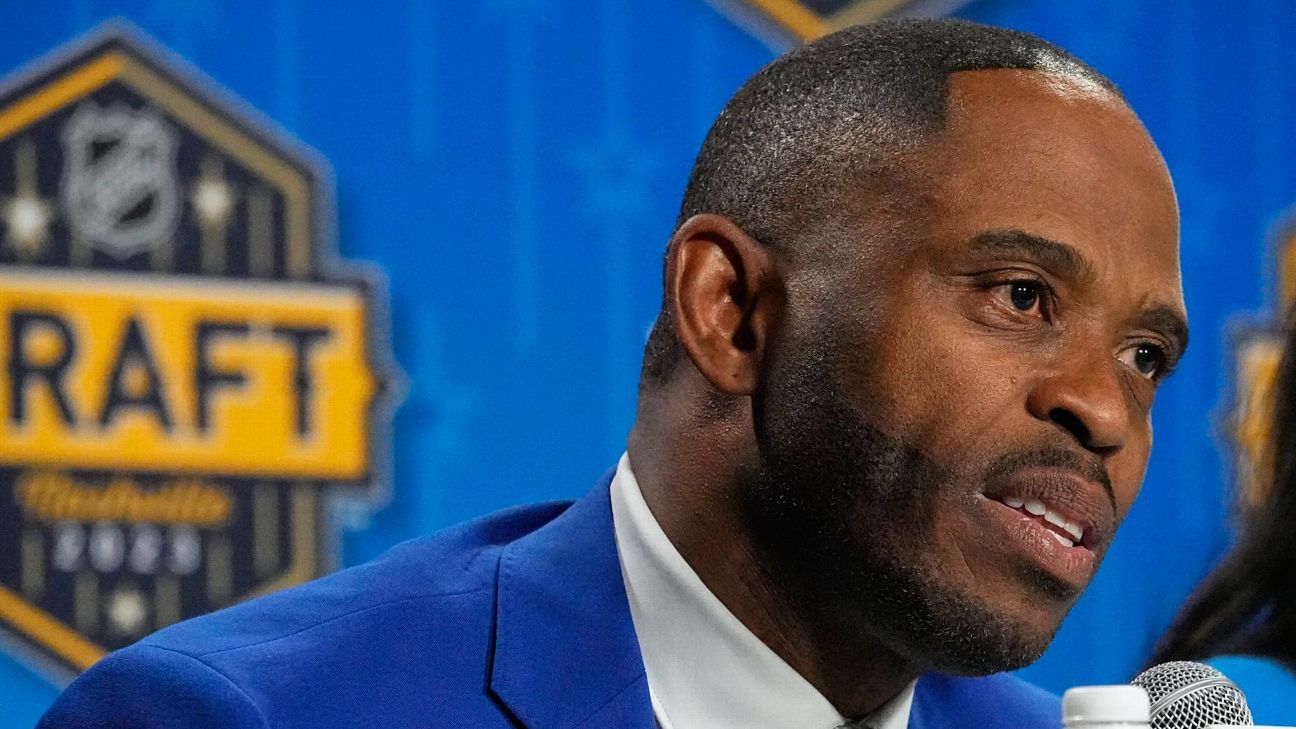 Tennessee State places AD Mikki Allen on administrative leave
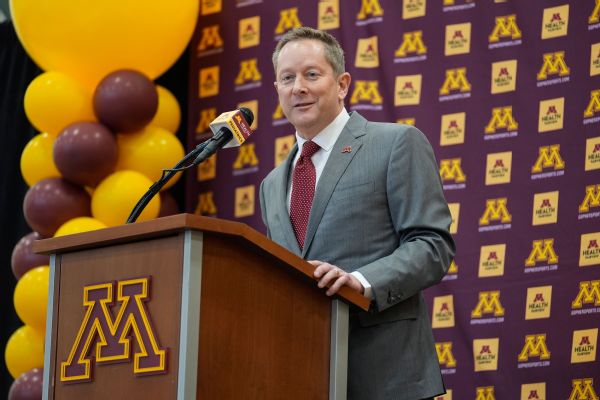 Minnesota extends Niko Medved after promising first season