Avoid the nine mistakes most fantasy football managers make
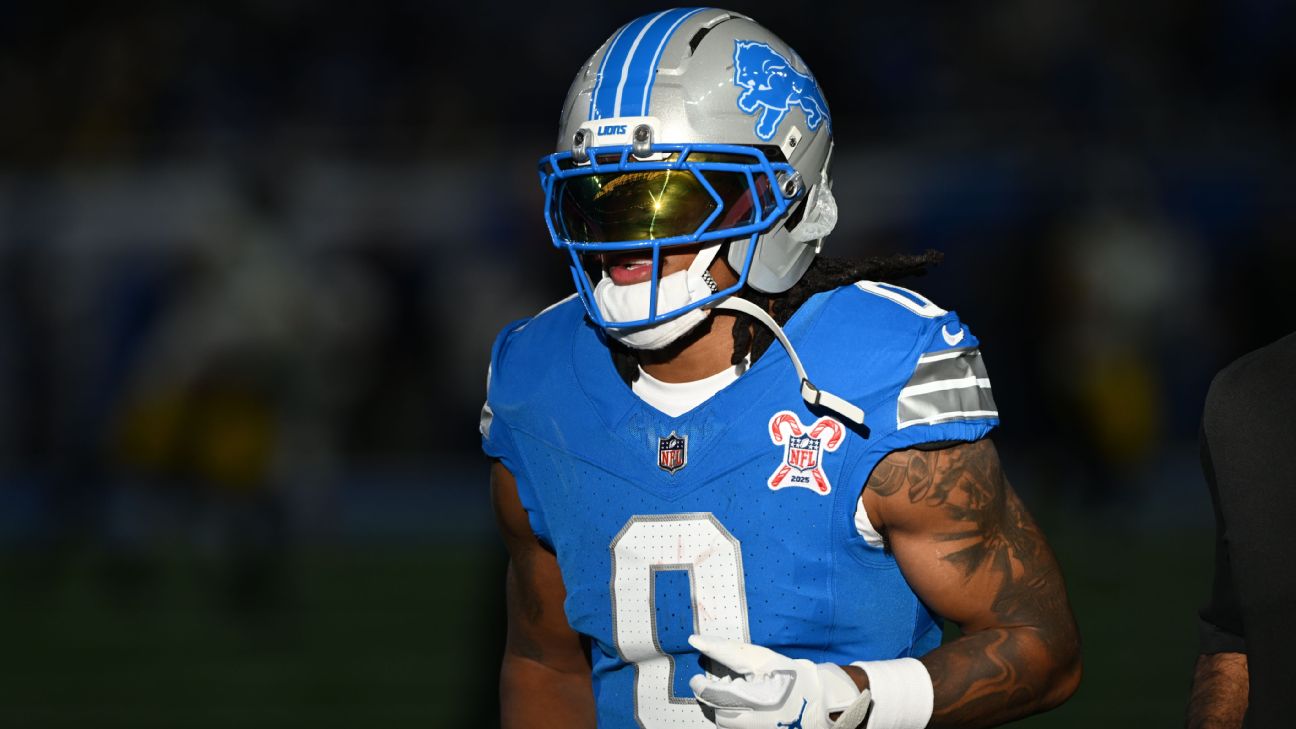
Fantasy football and sports betting share more DNA than most people realize. Both demand disciplined decision-making under uncertainty, both punish emotional reactions to short-term noise, and both attract the same fundamental error: letting bias override process. A roundup of the most common fantasy management mistakes serves as a useful mirror for bettors, because the cognitive traps are nearly identical and the consequences in both worlds are just as expensive.
The mistakes that sink fantasy managers — reaching for name recognition over value, overreacting to a single big game, ignoring context like matchup or usage rate, and failing to shop the waiver wire aggressively — are the same instincts that bleed bankrolls at sportsbooks. Fantasy football, played seriously across millions of leagues every season, is essentially a weekly exercise in probability management. Understanding where recreational players go wrong in that format reveals a lot about where the betting market finds its edges.
From a pure wagering standpoint, this kind of content matters because it signals something about public behavior. When the broader fantasy audience is anchoring on star names and recent performances, the same cognitive shortcuts are driving casual money at sportsbooks. Bettors who overweight a quarterback's monster week from last Sunday will push spreads and totals in predictable directions. Sharp books track this kind of recency bias religiously. If the public hammers a team coming off a highlight-reel performance, the line moves to reflect that enthusiasm — not necessarily the underlying reality of the matchup. That gap between perception and probability is where value lives.
The mechanism is straightforward: inflated public confidence in a player or team after a flashy outcome compresses the value on that side and inflates it on the other. A running back who torched a bad defense in Week 6 will attract fantasy adds and betting action alike heading into Week 7, regardless of whether the next opponent is significantly tougher. Totals are particularly susceptible to this. One high-scoring game can nudge an over/under several points higher for the following week, even when the conditions that produced the fireworks — weather, opponent, pace of play — are unlikely to repeat. Bettors who recognize the crowd's recency bias can fade it systematically.
The follow-on questions worth tracking are straightforward. Watch how lines open and move on Monday and Tuesday after a standout performance — that's when the public's emotional response is most concentrated in the market. Pay attention to whether sharp money comes in on the opposite side and moves the number back. And keep an eye on whether consensus fantasy rankings and beat-writer narratives are chasing last week's story instead of next week's matchup. When the fantasy crowd and the betting public are making the same mistake at the same moment, the opportunity to find value on the other side tends to be at its clearest.
Reporting via ESPN. Analysis by the 4th & Value desk.
 Do the Patriots have what it takes to make it back to the Super Bowl?
 Inside NFL Rooney Rule coaches say is rigged against them
 2026 Fantasy Football Draft Guide: Rankings, mock drafts and analysis