Packers CEO says financial bump needed to stay competitive
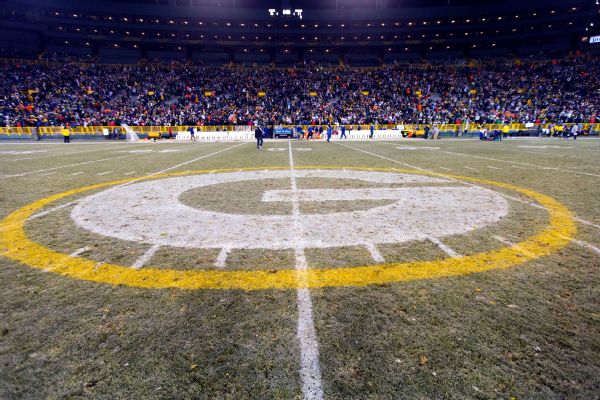
The Green Bay Packers are a franchise unlike any other in American professional sports — publicly owned, community-rooted, and operating without the billionaire safety net that every other NFL team enjoys. That unusual structure came back into focus this week when president and CEO Ed Policy acknowledged that the organization may need financial adjustments to remain competitive long-term. It's a rare moment of candor from a franchise that has historically preferred to project stability, and it signals that even one of the league's most storied brands is feeling the squeeze of the modern NFL's financial arms race.
What Policy is essentially describing is structural tension. As ownership groups across the league gain access to private equity, new stadium revenue, and the kind of flexible capital that comes with ultra-wealthy proprietors, the Packers are constrained by their unique governance model. They can sell stock — and have done so — but it functions more as a fundraising mechanism than a true equity arrangement. The team can't be sold, can't relocate, and can't call a single billionaire to write a check when a financial gap opens up. In an era where franchise valuations are exploding and the gap between spending capacity and operational cost keeps widening, that model creates genuine long-term risk.
For bettors, this type of institutional news doesn't move Sunday's spread, but it matters considerably in the futures market. Front-office financial health is a slow-burn factor that shapes roster construction over multiple seasons. Teams with constrained resources tend to make harder choices at contract extensions, are more likely to let homegrown talent walk in free agency, and may be slower to invest in the infrastructure — analytics departments, scouting networks, training facilities — that increasingly separates contenders from pretenders. If the Packers face a prolonged period of financial tightening, their Super Bowl odds over a three-to-five year window deserve a second look. Right now those futures are priced on the assumption that Green Bay continues operating as a well-run, competitively resourced organization. Any erosion of that premise should theoretically widen their championship number.
In the near term, the more direct market implication would come if this financial pressure forces visible roster decisions — a surprise release of a high-salary player, a failure to retain a key free agent, or a trade that looks motivated by cap relief rather than competitive logic. Those events move lines concretely and quickly.
The questions worth tracking from here: How does this affect the Packers' ability to extend Jordan Love and keep their emerging core together? Will Green Bay pursue any new revenue mechanisms — naming rights, stadium upgrades, expanded stock offerings — that could close the gap? And how does Policy's public framing of this issue land with NFL ownership, given the league's general preference for keeping financial disparities quiet? Bettors should monitor any concrete roster or contract news out of Green Bay with this context in mind.
Reporting via ESPN. Analysis by the 4th & Value desk.
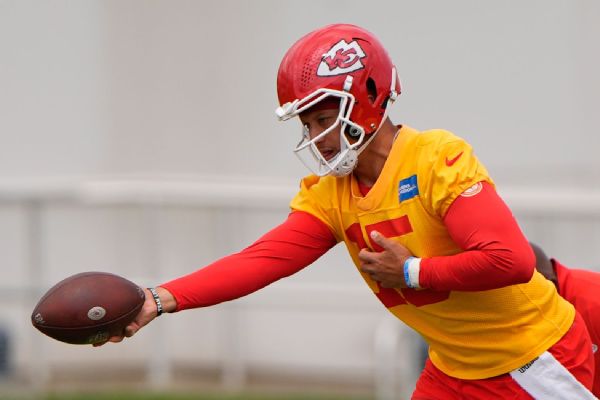 Chiefs' Patrick Mahomes fully cleared for camp, feeling 'amazing'
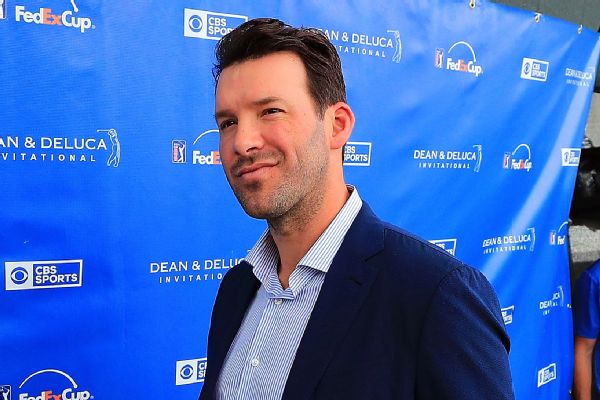 CBS NFL analyst Tony Romo arrested on suspicion of OWI
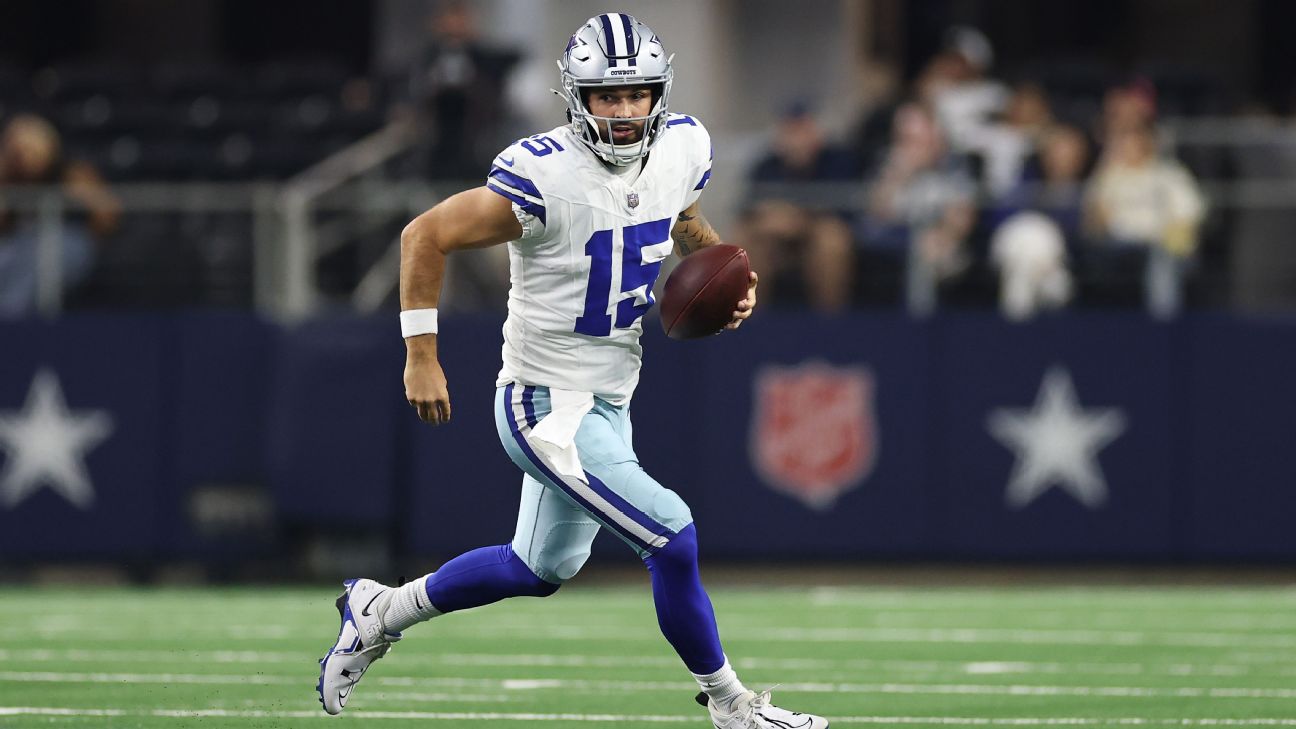 Source: Ex-Cowboys QB Will Grier returns as offensive assistant