Transfers, recruits and roster moves for key men's NCAA basketball teams
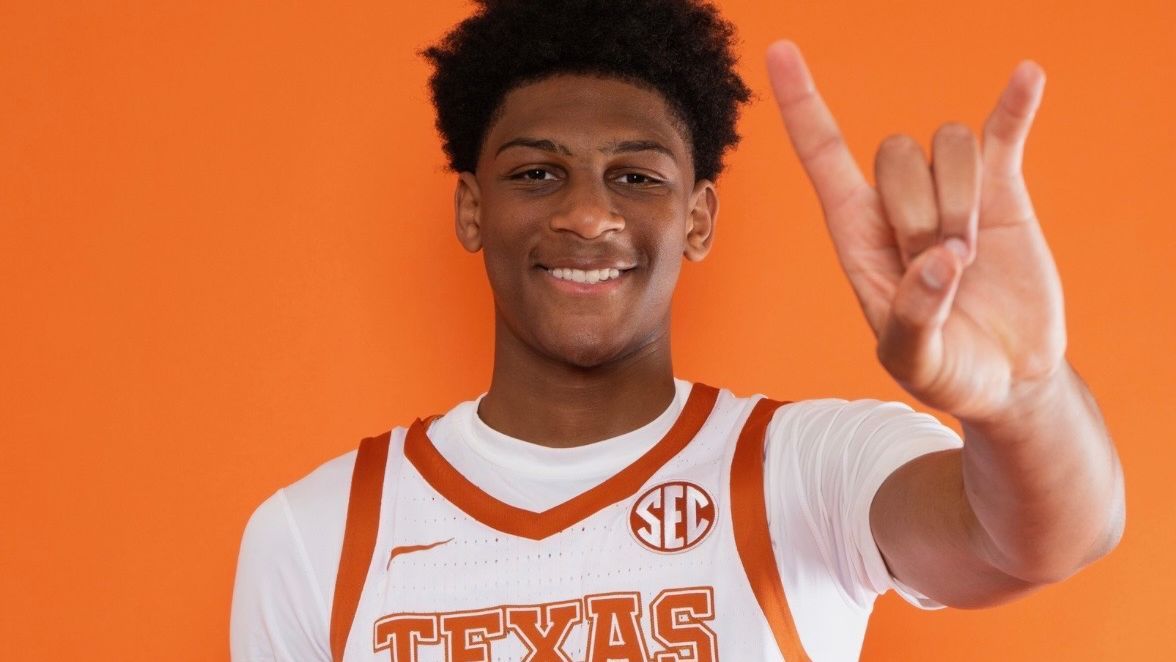
The college basketball offseason is in full swing, and the transfer portal has once again become the sport's most chaotic and consequential marketplace. Programs across the country are reshaping their rosters at a pace that would have been unimaginable under the old scholarship rules, with key teams adding, losing, and replacing contributors at nearly every position. For a sport where roster continuity has historically been one of the strongest predictors of early-season performance, the volume of movement heading into 2026-27 deserves serious attention from anyone with money on the board.
What makes this cycle particularly significant is the compounding effect of portal activity layered on top of high school recruiting classes. Programs that land a top-five recruiting class but then bleed experienced players through the portal can end up net-neutral or worse. Conversely, a team that loses its marquee recruit but adds a proven graduate transfer at the same position may actually improve its floor. The raw rankings matter far less than the composition of the final roster, and that final picture often doesn't crystallize until late summer — well after futures markets have already priced in assumptions that may no longer hold.
From a betting standpoint, this kind of roster turbulence tends to move both win-total futures and national championship odds in ways that the market is often slow to correct. Books set their opening futures lines using preseason projections built on incomplete roster data. When a team loses a starting point guard to the portal or lands a graduate transfer big man who fills a glaring need, the adjustment in the market frequently lags behind what sharp bettors already know. Win totals in particular are vulnerable here — oddsmakers lean on returning production metrics, and a single key departure or addition can swing a program's realistic ceiling by three or four wins. Bettors who are tracking portal commitments in real time and cross-referencing them against stale futures prices are hunting in genuinely productive territory right now.
The follow-on questions worth monitoring closely are straightforward but critical. Which programs are net winners in the portal when you account for both inbound and outbound movement? Are the incoming transfers proven contributors at comparable levels of competition, or are they players who flamed out elsewhere? How do the remaining high school commits factor into depth charts, and have any of them started showing decommitment signals? Finally, keep an eye on coaching staff continuity — a new assistant who specializes in player development or recruiting relationships can quietly reshape a program's trajectory faster than any single transfer. Futures prices will keep adjusting through the summer, and the bettors who do the roster homework earliest tend to get the best of the number.
Reporting via ESPN. Analysis by the 4th & Value desk.
 NCAA Division I board: No plans to change age-based eligibility
 Source: No vote on college sports bill expected before August
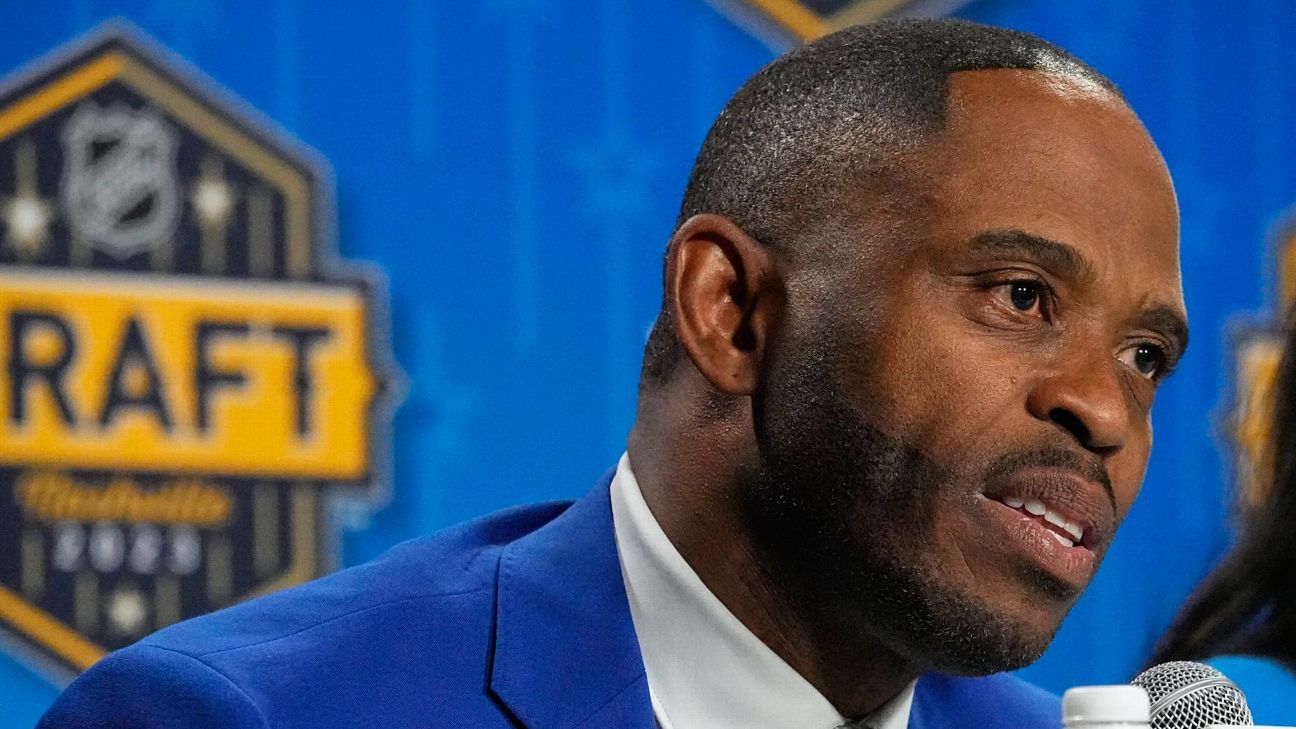 Tennessee State places AD Mikki Allen on administrative leave