NCAA Division I board: No plans to change age-based eligibility
The NCAA Division I Board of Directors made its position clear Thursday, affirming that it has no intention of walking back the new age-based eligibility framework that has already drawn legal challenges from players who feel the rule cuts their college careers short. The governing body's decision to hold firm signals that, at least for now, the NCAA is willing to weather the litigation rather than blink under pressure from athletes seeking additional eligibility. For a rule that touches roster construction, scholarship allocation, and player availability across every major sport, this is not a trivial organizational stance.
The age-based eligibility model represents a meaningful shift from the traditional credit-hour and seasons-of-competition framework that bettors have long operated around. Under older rules, five-year windows and COVID exemptions created a landscape where 24- and 25-year-old athletes were a common feature of college rosters, particularly in football and basketball. An age-based cutoff changes who is eligible and, by extension, who coaches can actually deploy. If the rule holds and courts don't intervene, programs could lose experienced players mid-career or find themselves unable to retain the kind of veteran presence that historically stabilizes teams during conference play and tournament runs.
From a betting standpoint, roster continuity is one of the most reliable pricing inputs sportsbooks use when setting early-season lines and futures. Experienced rosters command tighter spreads against inferior opponents and carry more consistent over/under profiles because oddsmakers can model them with greater confidence. If this rule reshapes who is available — particularly in football, where a few experienced linemen or a veteran quarterback can swing a team's win total by two or three games — books will need to re-calibrate. The more immediate line-movement risk sits in futures markets. Any court ruling that unexpectedly reinstates an athlete's eligibility, or conversely upholds the cutoff against a high-profile player, could prompt sharp action on win totals or conference championship odds within hours of the decision dropping.
The litigation piece is the key variable bettors should monitor closely. Courts have shown a willingness in recent years to grant temporary restraining orders restoring athlete eligibility while cases proceed, which means individual programs could see unexpected roster additions or losses between now and when this issue is fully resolved. Tracking which athletes have active lawsuits, which sports and programs they play for, and how quickly courts are moving on preliminary injunctions will be essential. A ruling in favor of a starting quarterback in a Power Four program just before the season opens is exactly the kind of low-visibility news that moves closing lines in a hurry — and rewards bettors who are watching the legal docket as closely as the injury report.
Reporting via ESPN. Analysis by the 4th & Value desk.
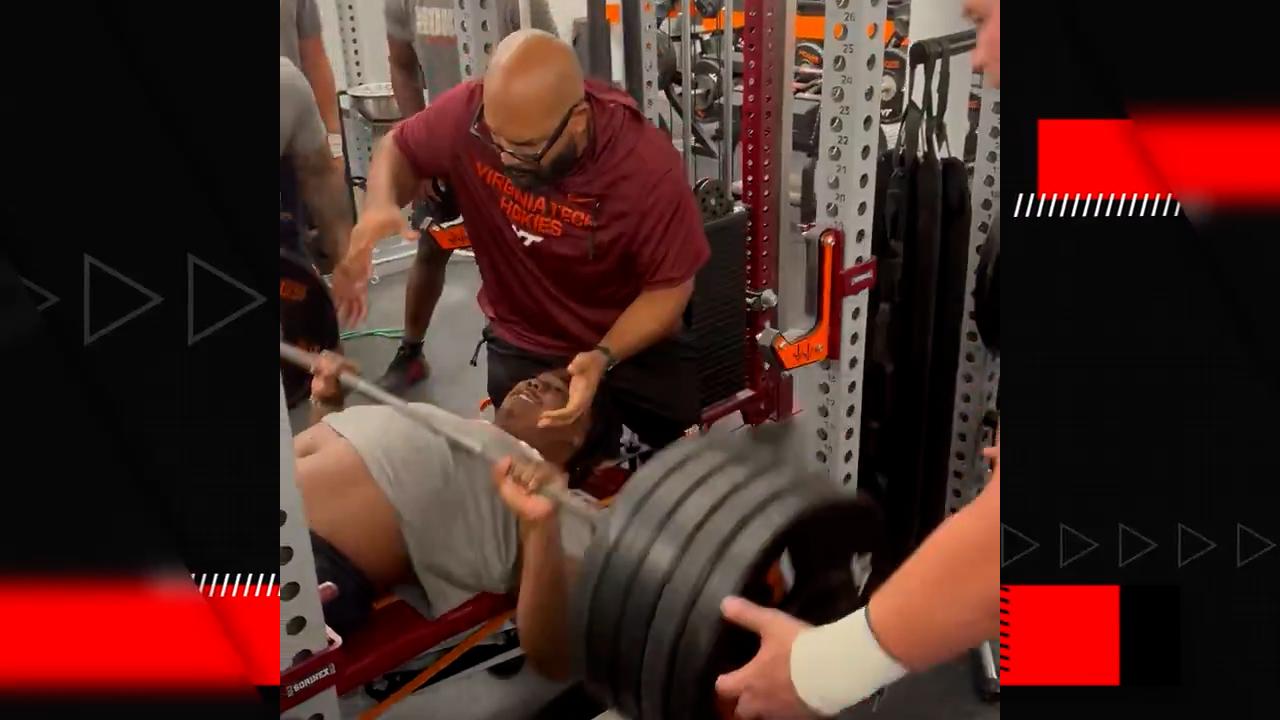 Kemari Copeland breaks a Virginia Tech record with 510-pound bench press
 Source: No vote on college sports bill expected before August
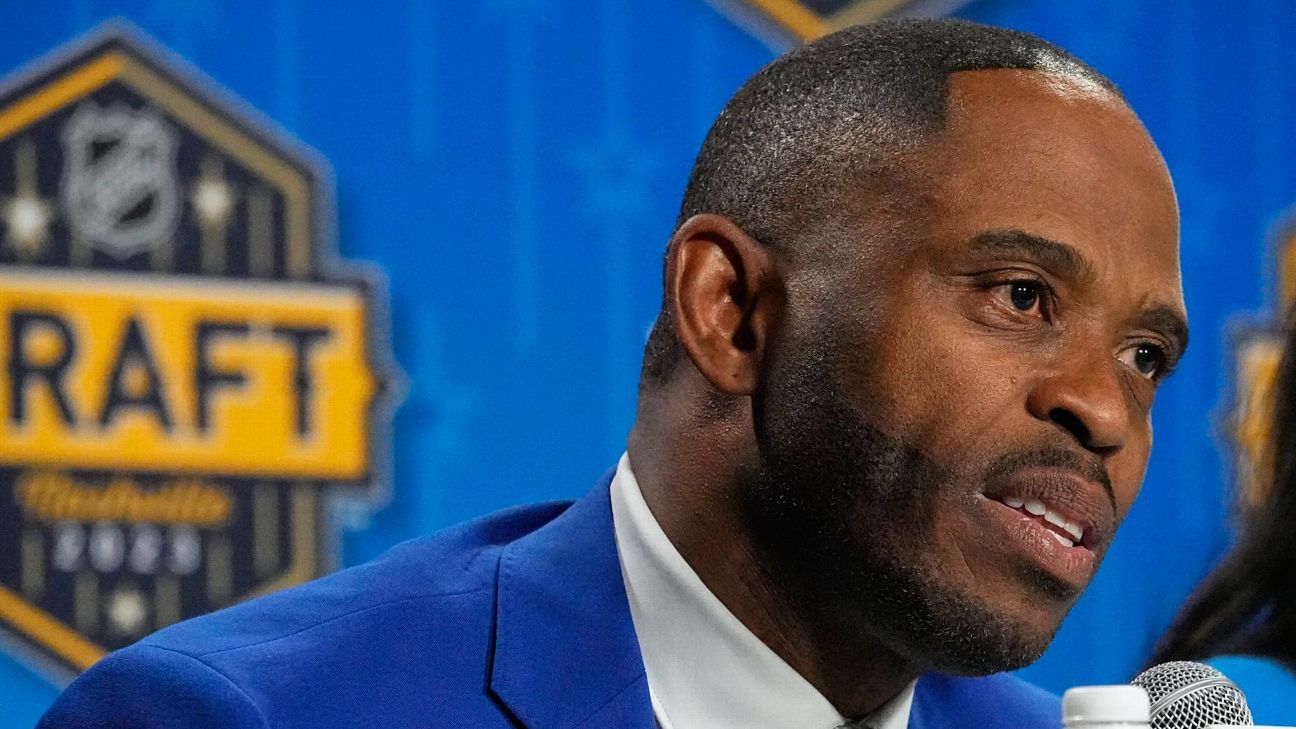 Tennessee State places AD Mikki Allen on administrative leave