Source: No vote on college sports bill expected before August
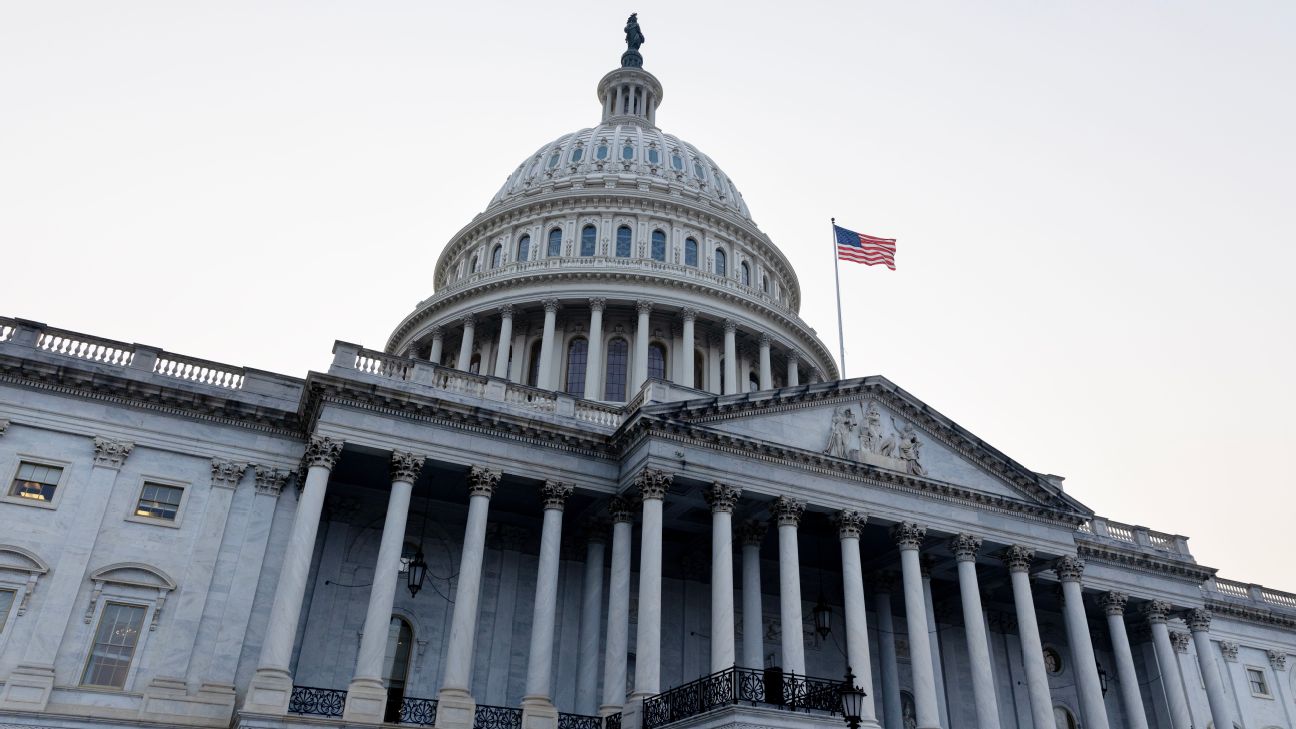
The push to reshape the legal landscape of college athletics is moving slower than many had hoped. A congressional source confirmed to ESPN that the Protect College Sports Act will not reach a full Senate vote before lawmakers head home for their August recess, effectively pushing any meaningful legislative action into the fall at the earliest. For an industry still finding its footing under the NIL era and ongoing conference realignment pressures, another delay extends the period of structural uncertainty that has come to define modern college sports.
The bill has been positioned as an attempt to create a federal framework around college athlete compensation and related issues, potentially superseding the patchwork of state laws and court decisions that currently govern the space. Congressional recesses are notorious for killing momentum on legislation, and a delay of this kind often signals that the votes simply aren't there yet, or that competing priorities have crowded the calendar. Either way, the status quo holds for now, and that has real implications far beyond Capitol Hill.
From a betting perspective, legislative uncertainty around college sports has a more indirect but meaningful effect on markets. Sportsbooks have been expanding their college football and basketball offerings steadily, and any federal framework could either accelerate or constrain that growth depending on what restrictions or standardizations it imposes. In the shorter term, the delay keeps alive the legal and competitive chaos that makes certain college betting markets harder to price efficiently. Schools operating under different state NIL rules, transfer portal dynamics, and revenue-sharing arrangements all affect roster construction and team quality — factors that sharp bettors already weigh heavily when assessing futures odds and win totals. A stable federal law could eventually bring more predictability to those inputs, but for now, the fog remains.
The futures market angle is worth considering specifically. College football win totals and conference championship futures are already being posted for the upcoming season. Books set those lines with incomplete information about rosters and competitive balance, in part because the legal environment surrounding player compensation continues to shift. If federal legislation eventually passes with provisions that affect how schools recruit or retain players, line movement in futures markets could follow. The delay simply means that risk remains unquantified a little longer.
Bettors should watch whether the bill gains any traction during fall session negotiations, and whether any emergency provisions or court rulings step into the gap in the meantime. Keep an eye on whether individual states move forward with their own legislation — that would further fragment the landscape. The fundamental question for the market is whether Congress eventually produces something comprehensive or kicks the can indefinitely, because those two outcomes have very different long-term consequences for how college sports operates and how sportsbooks price it.
Reporting via ESPN. Analysis by the 4th & Value desk.
 NCAA Division I board: No plans to change age-based eligibility
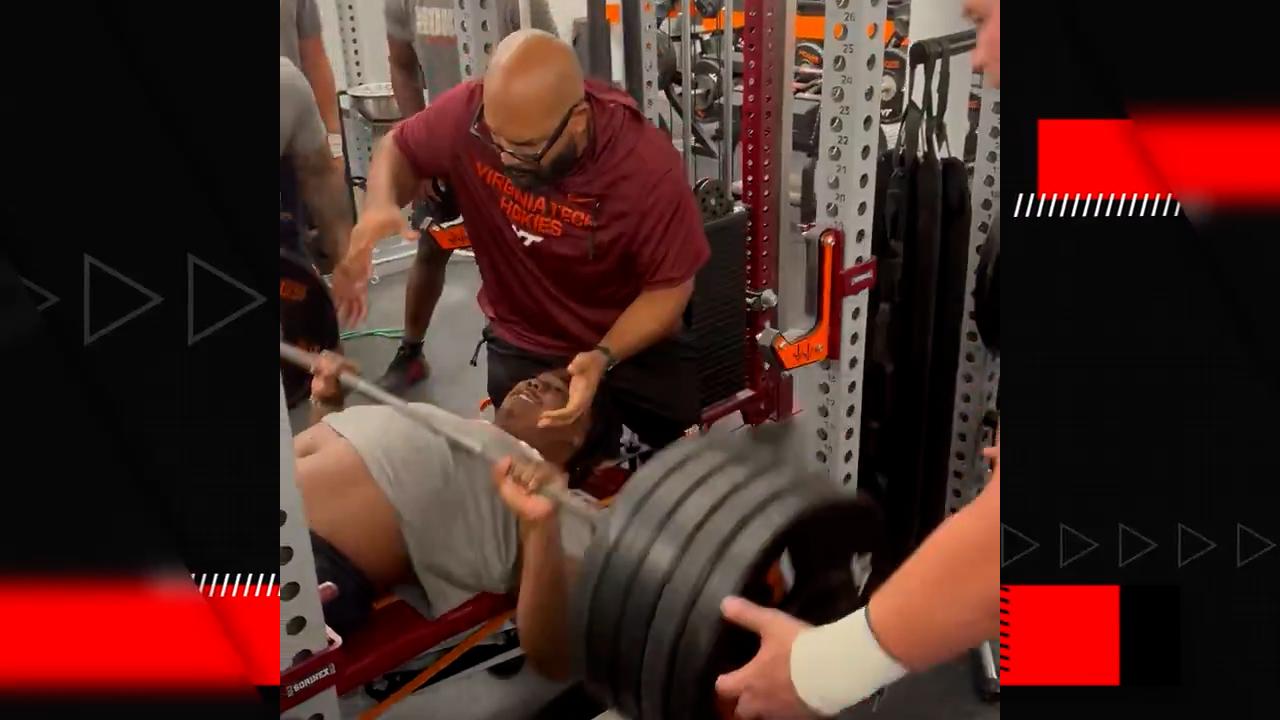 Kemari Copeland breaks a Virginia Tech record with 510-pound bench press
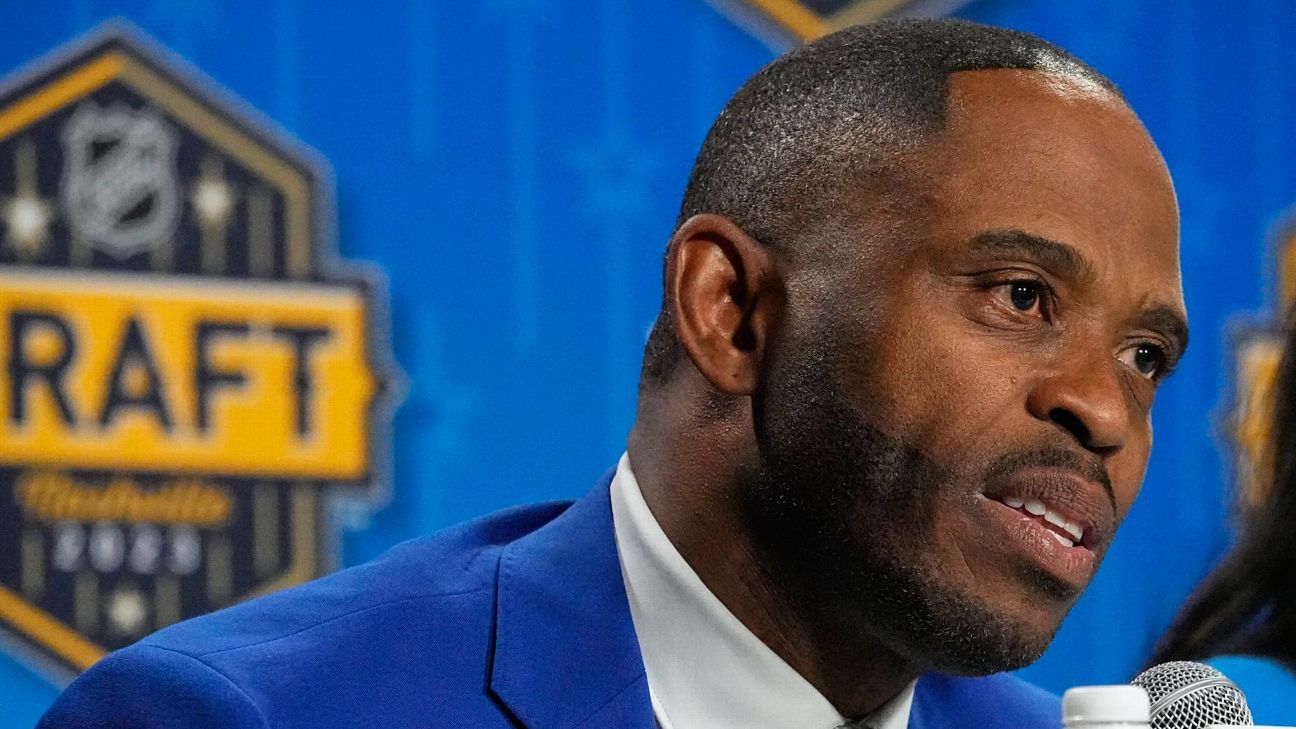 Tennessee State places AD Mikki Allen on administrative leave