Brandon Beane tells McAfee why Bills picked grass over turf at new stadium

The Buffalo Bills made a deliberate choice when designing their new stadium: natural grass over artificial turf. General Manager Brandon Beane appeared on the Pat McAfee Show to explain the thinking behind that decision, and while it may sound like an infrastructure footnote, surface type is one of the more underappreciated variables in professional football — both for player health and for how games actually play out on the field.
Beane's willingness to go public with the reasoning signals this wasn't a casual call. Artificial turf has faced growing scrutiny across the league in recent years, with players and union officials pushing back on its injury risk, particularly for non-contact lower-body injuries. By choosing grass, the Bills are aligning themselves with a player-friendly philosophy, and that matters beyond the locker room optics. How a team's home surface plays shapes everything from game tempo to the types of personnel that thrive there across a full season.
From a betting standpoint, surface type has a quiet but measurable influence on totals and team tendencies. Natural grass fields — especially in a cold-weather market like Buffalo, where late-season conditions can make the surface slow and unpredictable — tend to suppress scoring compared to the consistent, fast footing that turf provides. Sportsbooks already factor climate and surface into their line-setting models, but a stadium transition like this one gives the market a calibration problem in the short term. The Bills' current home results were built on their old surface at Highmark Stadium. When oddsmakers set totals for early games at the new venue, there will be inherent uncertainty about how the grass plays, particularly if weather becomes a factor, and that uncertainty can create edges for bettors paying close attention.
Futures markets could also feel a ripple effect. If the grass surface genuinely reduces the injury burden on Buffalo's roster over the course of a season — especially for a team that has dealt with significant injury setbacks in recent years — that's a compounding advantage that might not be immediately priced into win totals or playoff odds. Conversely, opposing skill players used to turf footing may find the adjustment more difficult in a loud, cold, grass environment in January, which speaks well of Buffalo's potential as a home underdog or a cover machine in high-stakes spots.
Bettors should track a few follow-on developments here: how the Bills' home totals move once the new stadium opens and oddsmakers start getting actual data, whether any early-season performance on the surface prompts line adjustments, and how player availability trends compare to prior seasons. Surface decisions ripple through an entire franchise's trajectory — slow to show up in the data, but very real once they do.
Reporting via ESPN. Analysis by the 4th & Value desk.
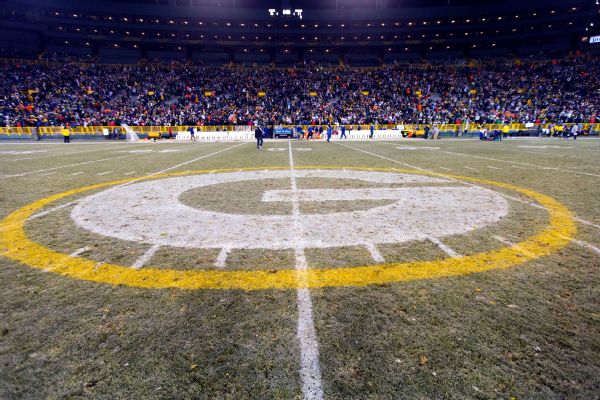 Packers CEO says financial bump needed to stay competitive
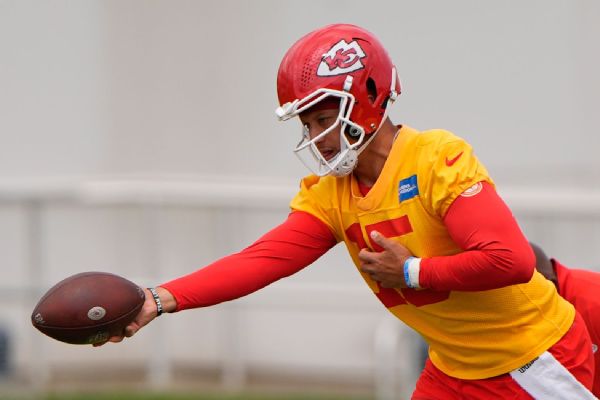 Chiefs' Patrick Mahomes fully cleared for camp, feeling 'amazing'
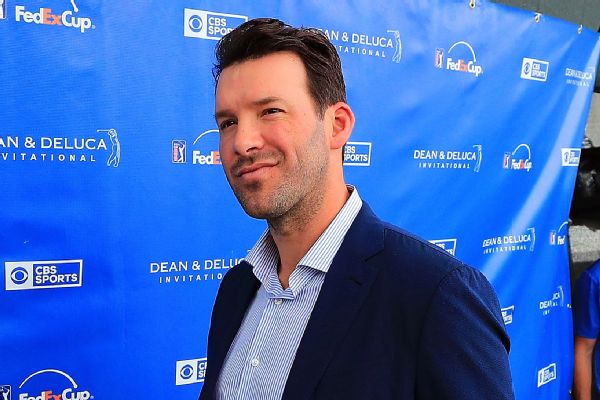 CBS NFL analyst Tony Romo arrested on suspicion of OWI