Fantasy football buzz: Sorting through the Panthers, Texans and Broncos backfields
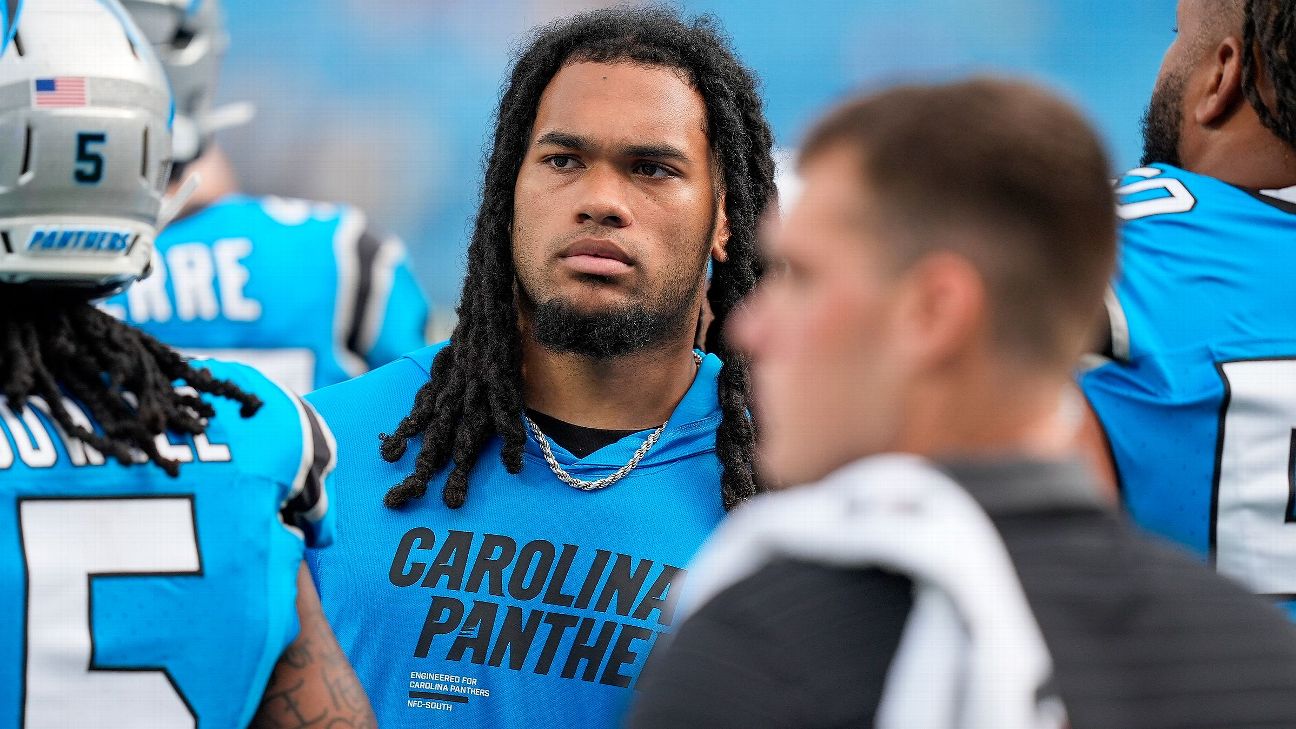
The running back depth chart is one of the most volatile assets in football, and right now three AFC and NFC teams are drawing attention for exactly that reason. The Carolina Panthers, Houston Texans, and Denver Broncos each have backfields that analysts are sorting through, trying to identify who the lead back is, who the handcuff is worth rostering, and how the workload might shake out over a full season. When a backfield generates this kind of chatter in the fantasy community, it rarely stays confined to season-long leagues — it bleeds directly into the betting market.
That overlap matters because fantasy buzz and sportsbook movement are increasingly correlated. The same information that drives waiver wire decisions — snap counts, routes run, target share, goal-line touches — is the same information sharp bettors use to handicap player props and team totals. When three backfields are simultaneously described as murky or unsettled, that's a signal worth paying attention to regardless of whether you play DFS or bet spreads.
From a wagering standpoint, unsettled backfields typically create two distinct market opportunities. The first is in player props. When a clear lead back hasn't been established, books often shade rushing attempt and receiving yardage props conservatively, pricing them lower than they might be once a hierarchy is clear. A bettor who identifies the true starter before the market fully adjusts can find real value on yardage overs, especially early in the season when books are still calibrating. The second opportunity lives in game totals. A committee backfield generally signals a team leaning on the run game, which can suppress scoring pace and push totals lower — or, conversely, indicate offensive line confidence that could make a team more efficient on early downs, keeping drives alive and theoretically inflating scoring. The direction depends on context, but either way the backfield composition is a direct input into how oddsmakers model team offense.
For the Texans specifically, their offensive infrastructure around a functional run game has been developing, making backfield clarity particularly meaningful for their team total and spread positioning. The Panthers, in rebuilding mode, have backfield decisions tied closely to how they want to deploy a young roster, which affects pace and point totals. Denver's backfield situation connects to a passing game still finding its identity, meaning rushing volume could be a stabilizing force — or a crutch — that shapes their weekly line.
The follow-on questions to track here are straightforward: watch for practice reports and early-week snap distribution signals as the season develops, monitor whether any of these teams establish a clear workhorse through usage data in the first two or three weeks, and keep an eye on how books adjust props accordingly once that hierarchy crystallizes. The window for value closes quickly once the market catches up.
Reporting via ESPN. Analysis by the 4th & Value desk.
 Packers CEO says financial bump needed to stay competitive
 Chiefs' Patrick Mahomes fully cleared for camp, feeling 'amazing'
 CBS NFL analyst Tony Romo arrested on suspicion of OWI