2027 college football recruiting class rankings: Top 25 schools
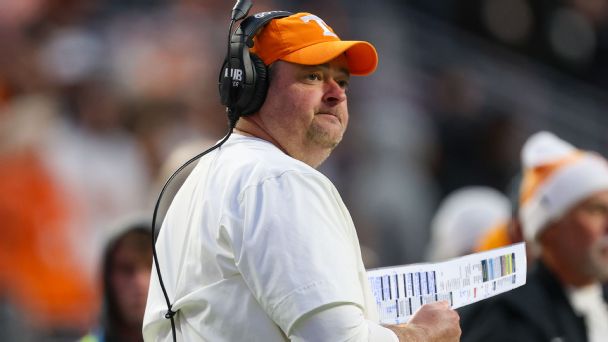
# The 2027 Recruiting Class Is Taking Shape — Here's Why Bettors Should Pay Attention
The dust has settled on the five-star commitment cycle for the 2027 college football recruiting class, and the early class rankings are beginning to reflect a clearer picture of which programs are building for the future. While the signing day formalities are still years away, the completion of the top-end commitment wave gives analysts and oddsmakers their first serious look at the roster construction trajectory for programs across the country. In recruiting, as in the market, early information is the most valuable — and this is the window when sharp bettors start planting seeds.
Recruiting rankings matter because roster talent is the single most durable predictor of on-field success in college football. Programs that consistently land top-25 classes tend to sustain contender status, while programs outperforming their recruiting profile often regress. When a blue-blood school secures a haul that vaults them into the top five nationally, it signals structural dominance that will ripple forward into win totals, conference title odds, and eventually College Football Playoff futures markets. Conversely, when a historically elite program slips out of the top tier in a given cycle, oddsmakers eventually adjust — though sometimes not fast enough.
From a betting mechanics standpoint, recruiting news at this stage has its most direct impact on futures pricing, particularly for the 2027 season win totals and conference futures that books will post roughly two years from now. But savvy bettors track class rankings now because the consensus narrative gets established early. If a program like Ohio State, Georgia, or Alabama is widely perceived as having a down class, that perception can suppress their futures prices even when the team returning in the near term is loaded with established talent. That gap between perception and reality is where value lives. Additionally, transfer portal activity — which increasingly happens in tandem with high school recruiting cycles — can either amplify or undercut what these early rankings suggest, so class rankings are best read as one data point rather than the whole story.
The follow-on questions bettors should track in the coming months are straightforward but important. Which programs in the top 25 are building on existing depth versus papering over portal-driven roster holes? Are any mid-major or Group of Five programs cracking the upper tier in a way that signals a genuine program elevation? And perhaps most critically, how does the transfer portal shake out for the same schools riding high in these rankings — because a great 2027 class means far less if a program bleeds three-star development players out the back door before those freshmen ever take a snap. Keep these rankings bookmarked, but hold them loosely.
Reporting via ESPN. Analysis by the 4th & Value desk.
 NCAA Division I board: No plans to change age-based eligibility
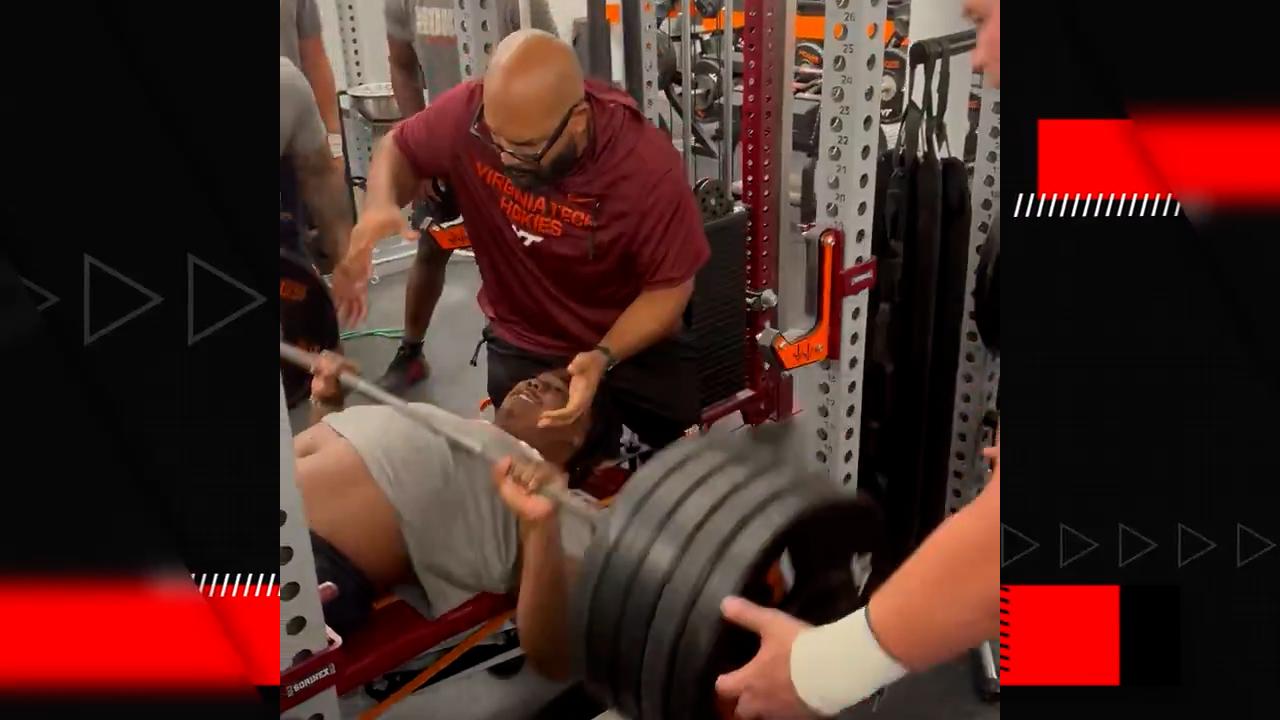 Kemari Copeland breaks a Virginia Tech record with 510-pound bench press
 Source: No vote on college sports bill expected before August