Highlighting Heisman favorites and dark horses across the SEC
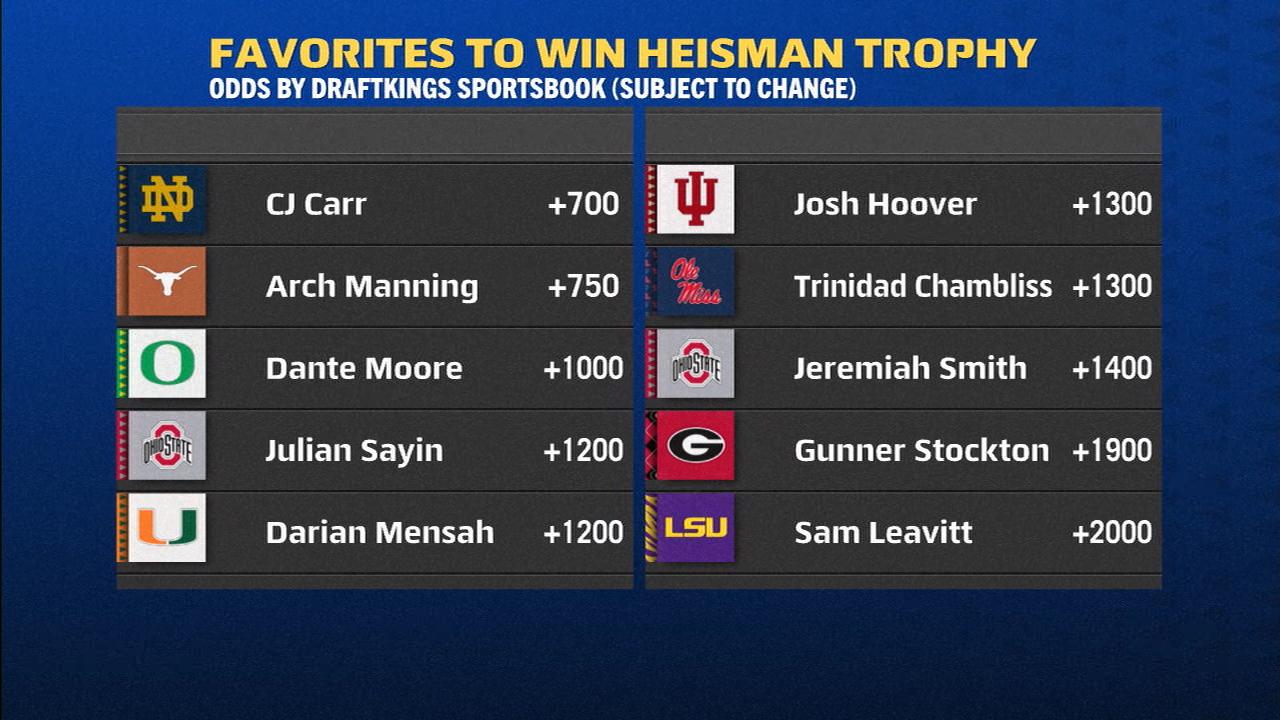
# Heisman Hardware and the SEC: Where the Smart Money Looks Early
The Heisman Trophy race is one of the most entertaining futures markets in college football, and every summer the conversation gravitates back to the Southeastern Conference. With analysts and former coaches breaking down the realistic contenders and longer-shot candidates across the league, now is exactly the time bettors should be stress-testing their early opinions before the season sharpens the picture and the books adjust accordingly.
The SEC produces Heisman candidates at a rate no other conference can match, and that's not just narrative — it's structural. The league's television exposure guarantees that its best players accumulate highlight moments in front of the largest audiences in college football. Voters reward visibility, and visibility is something SEC quarterbacks, running backs, and occasionally pass-catchers receive in abundance. When credible voices inside that world begin separating the true contenders from the feel-good storylines, it matters for anyone holding a futures ticket or considering one.
From a betting standpoint, the Heisman market is particularly sensitive to preseason chatter from respected analysts. Oddsmakers set early lines based on offseason projections and public perception, which means the period before fall camp is often the best window to find value. A player who features prominently in roundtable discussions involving former coaches and executives will see his odds shorten quickly as recreational money floods in. The inverse is also true — a dark horse name floated by someone with genuine insider credibility can still carry attractive odds for a day or two before books respond. Bettors who act on informed early discussion, rather than waiting for consensus to form, consistently find better numbers.
The distinction between favorites and dark horses in this context is also mechanically important. Heavy favorites in Heisman futures are often priced in a way that requires a nearly perfect season just to break even on the bet. A dark horse at significantly longer odds needs only a handful of elite performances and a favorable injury situation elsewhere in the field to pay off handsomely. The SEC's depth means that several players in this conversation could realistically separate themselves if a higher-profile teammate gets hurt or underperforms, making the tier just below the top names especially worth monitoring.
What bettors should track from here is straightforward: watch fall camp reports for any shifts in depth charts or unexpected competition for featured roles, keep an eye on which players get prominent placement in the conference's media day coverage, and note how the odds move in the first two weeks of the season. A candidate who opens hot in September and holds his price through mid-October is the profile most likely to see his ticket cash in December. Get your numbers now while the market is still settling.
Reporting via ESPN. Analysis by the 4th & Value desk.
 NCAA Division I board: No plans to change age-based eligibility
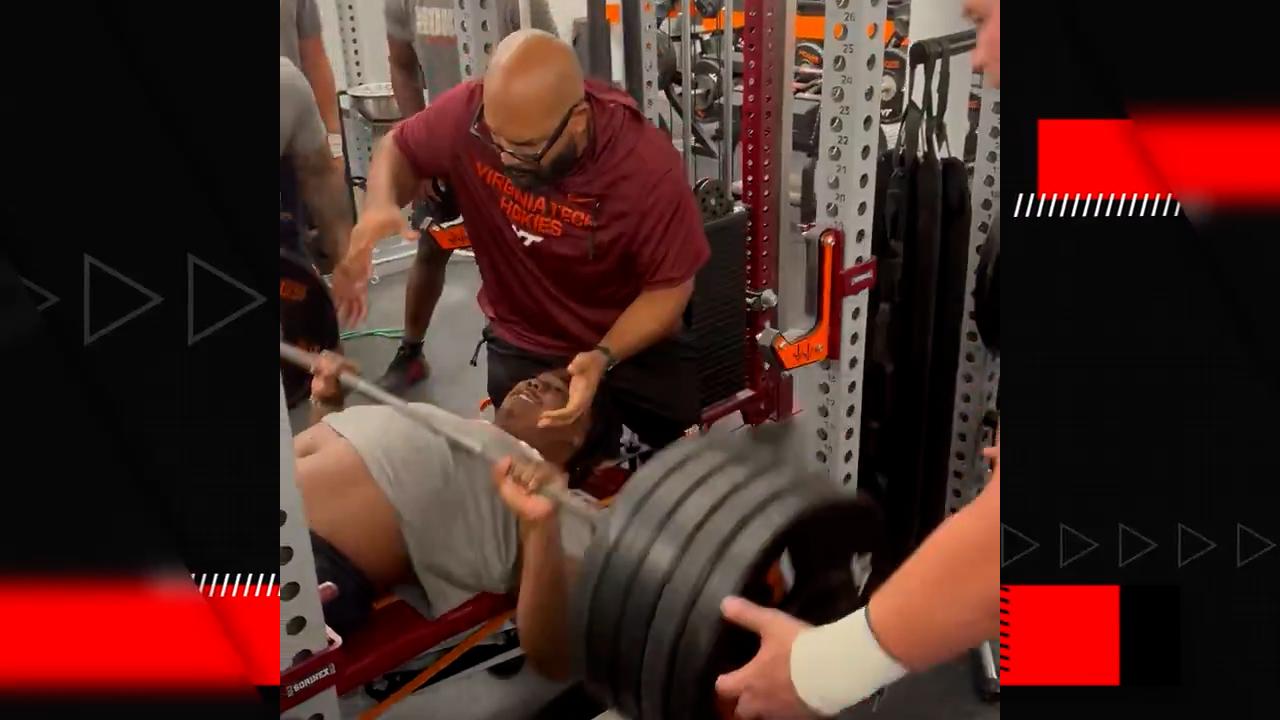 Kemari Copeland breaks a Virginia Tech record with 510-pound bench press
 Source: No vote on college sports bill expected before August