SEC Commissioner Greg Sankey gives update on CFP expansion
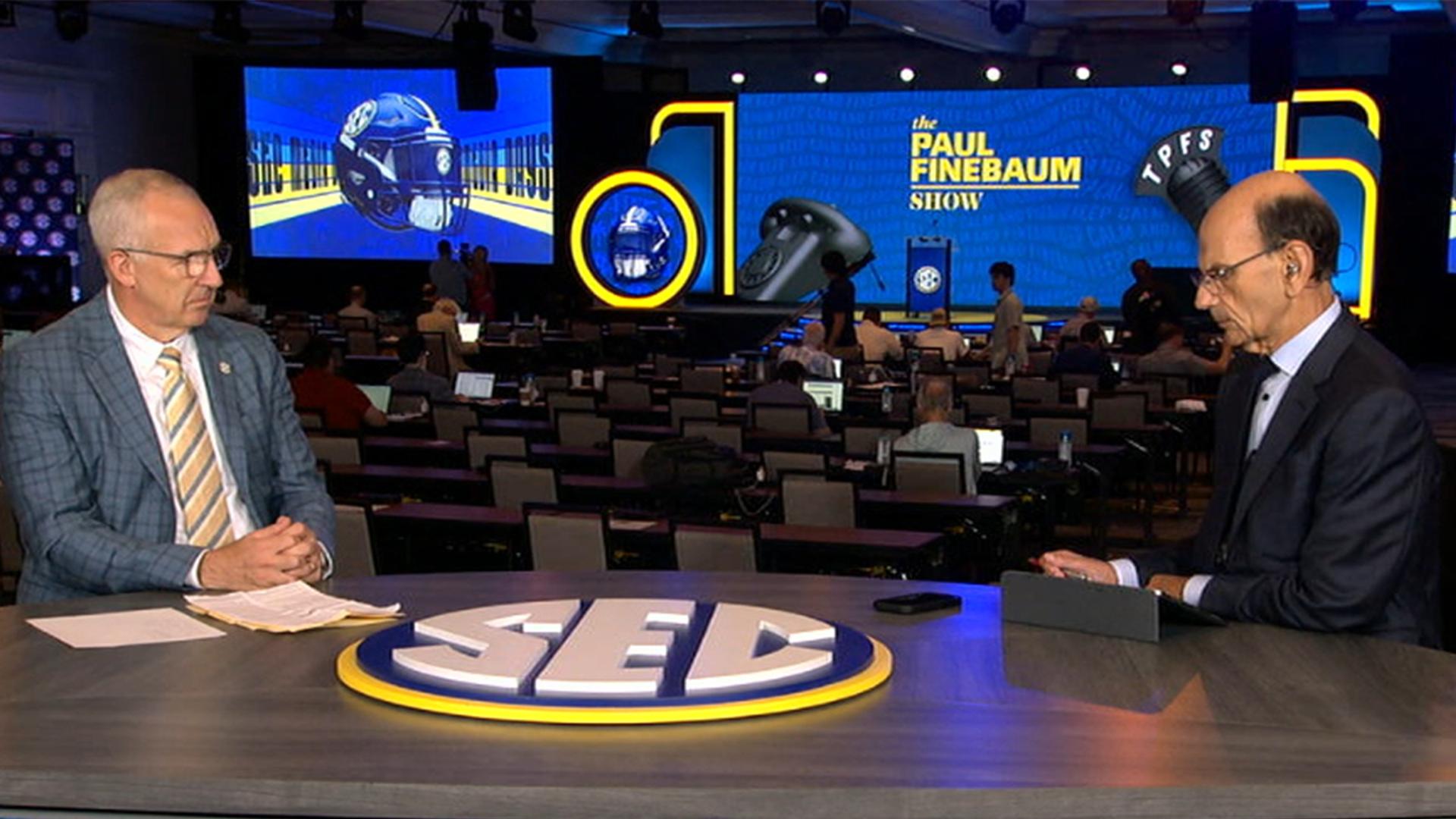
The College Football Playoff is barely settled into its new 12-team format, and already the conversation about what comes next is heating up. SEC Commissioner Greg Sankey appeared on The Paul Finebaum Show to offer an update on where expansion discussions currently stand, signaling that the powers shaping college football have no intention of treating the current structure as a permanent endpoint. For a sport that has undergone dramatic realignment and format changes in rapid succession, the message is clear: the CFP landscape will keep evolving, and the stakeholders most invested in controlling that evolution are already maneuvering.
Sankey's willingness to speak publicly about expansion talks at this stage matters because the SEC commissioner does not typically offer commentary without strategic intent. The SEC has more to gain than almost any other conference from a larger playoff field — more automatic bids, more revenue, more leverage in future negotiations. When Sankey signals that expansion conversations are progressing, it usually means those discussions are more advanced than the casual framing suggests. Whether the target is 14, 16, or some other number of teams, the direction of travel appears to be toward a bigger bracket, and that has meaningful downstream implications for how college football's postseason is structured, marketed, and wagered on.
From a betting perspective, CFP expansion news operates primarily on the futures market. A larger field compresses the implied probability of any single top contender winning a national championship, because more rounds of single-elimination football mean more opportunities for upsets. Right now, a team like Georgia or Ohio State might carry a futures price reflecting a relatively short path to a title given their conference strength. Add several more rounds and several more potential opponents from conferences with home-field-adjacent advantages, and those short prices become harder to justify. Bettors holding futures on consensus favorites in a 12-team field should understand that if expansion materializes for a future cycle, the market will reprice accordingly — longer odds across the board, with mid-major and Group of Five programs potentially becoming more attractive long-shot plays. Books will also begin factoring in additional game inventory, which affects how they model conference championship weekend and regular-season games near the playoff bubble.
The more immediate angle for sharp bettors is tracking which teams sit on the expansion bubble. If the field grows, programs that currently project as just outside the 12-team cutoff gain meaningful equity — and that changes how their regular-season games are priced, particularly in November when bracket implications sharpen.
The follow-on questions worth monitoring closely: What format is actually being discussed — automatic bids, seeding changes, bye weeks? When would any new structure take effect? And how do the other power conferences, particularly the Big Ten, respond to Sankey's public positioning? The answers will tell bettors a great deal about which futures prices are already stale.
Reporting via ESPN. Analysis by the 4th & Value desk.
 NCAA Division I board: No plans to change age-based eligibility
 Kemari Copeland breaks a Virginia Tech record with 510-pound bench press
 Source: No vote on college sports bill expected before August