Simulating the season using EA Sports College Football 27
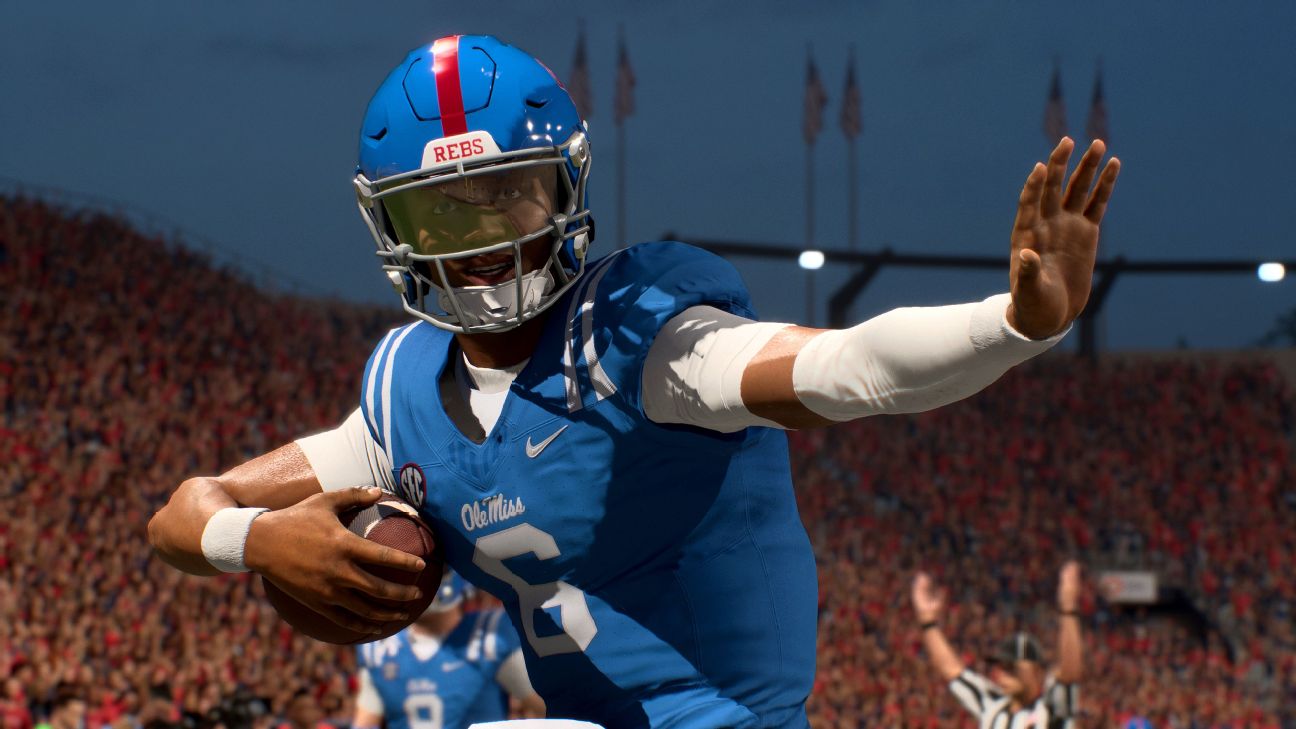
# EA Sports CFB 27 Sim Results Are Fun — But Don't Bet Them
EA Sports College Football 27 is barely out the door and analysts are already running the digital crystal ball. A recent simulation project ran the upcoming college football season through the game engine 26 times, tracking national championship winners, Heisman Trophy recipients, coaching departures, and transfer portal movement to build a composite picture of what the virtual college football world expects this fall. It's the kind of content that generates clicks and sparks debate, and for good reason — aggregated simulation data at least reflects the talent ratings and roster constructions that EA's team built into the game.
Here's the honest truth for bettors, though: treat it as entertainment first and information a distant second. Video game simulations are built on the same publicly available information that sportsbooks have already priced into their lines — recruiting rankings, returning production, strength of schedule, and coaching reputation. The game engine is not a secret weapon. It doesn't know something the market doesn't. What it does do is offer a rough gut-check on whether a team's futures price feels wildly out of step with general consensus expectations. If a program is winning simulated national titles at a high rate but sitting at long odds on the futures board, that's worth a second look — not because the sim proved anything, but because it might signal the market hasn't fully caught up to a roster upgrade or a favorable schedule.
Where simulation data tends to move bettors most is in the futures market, specifically national championship and conference title odds. When a particular program keeps appearing in simulated title games, it creates organic buzz that can influence public money even if sharp books don't flinch. That soft public action can compress value on popular teams and occasionally inflate it on teams the simulation mostly ignored. Heisman odds are similarly susceptible — if a quarterback or running back surfaces repeatedly as the simulation's award winner, expect casual bettors to pile in, which could shorten already-tight prices on favorites. The sharper play is usually to look at the teams and players the simulation underrated relative to where the books have them priced.
What to watch going forward is how the actual preseason information cycle develops. Fall camp depth charts, transfer portal eligibility decisions, and any late injuries will matter infinitely more to the lines than anything a game engine spits out. If a team that dominated the simulation loses a key piece before the season, that futures value evaporates fast. Track the injury reports coming out of August camp, monitor which transfer portal additions get cleared and contribute in fall practice, and watch for any preseason line movement that diverges sharply from where championship odds opened in the spring. That divergence is where the real betting signal lives — not in a video game.
Reporting via ESPN. Analysis by the 4th & Value desk.
 NCAA Division I board: No plans to change age-based eligibility
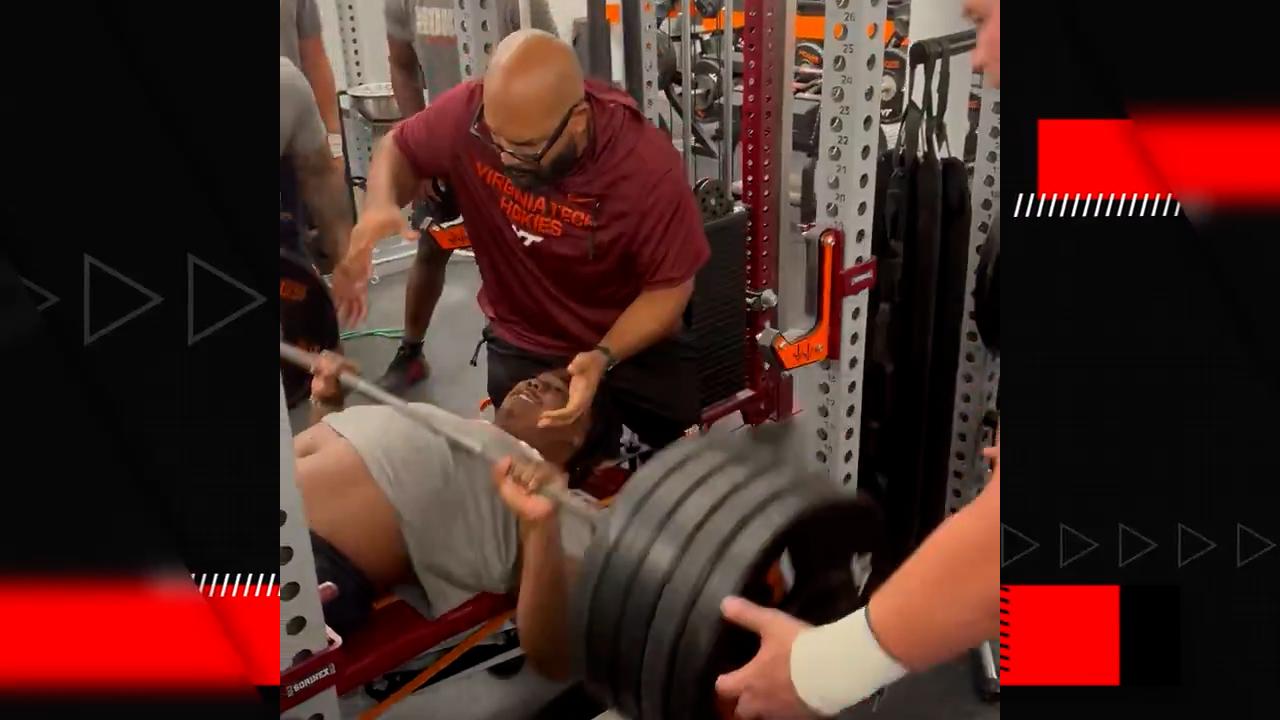 Kemari Copeland breaks a Virginia Tech record with 510-pound bench press
 Source: No vote on college sports bill expected before August