Tennessee beats out Ohio State for prized RB Gabriel Georges
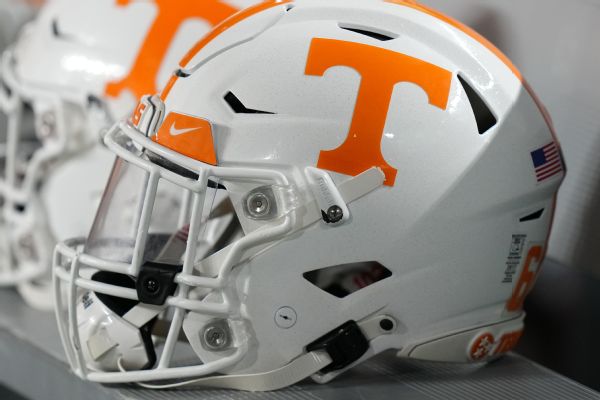
The Tennessee Volunteers landed one of the most coveted offensive prospects in the 2027 recruiting class Wednesday night, securing a verbal commitment from running back David Gabriel Georges — ESPN's second-ranked running back and 14th-ranked overall prospect in his cycle. The pledge ends a drawn-out battle with Ohio State that had been simmering for months, and it represents a significant recruiting victory for Josh Heupel's program at a position that remains central to Tennessee's offensive identity.
The stakes here go beyond a single recruit. Georges is the kind of player whose commitment signals program momentum, and in modern college football that momentum has real implications. Tennessee has been working to establish itself as a legitimate annual contender in the SEC, and winning a blue-chip recruiting war against a program the caliber of Ohio State sends a message to other uncommitted prospects further down the board. When a top-15 overall player chooses your school over a perennial powerhouse, the recruiting profile of your program shifts — and with it, the way oddsmakers price your future seasons.
From a betting standpoint, commits like this tend to have a muted but real effect on futures markets, particularly when they arrive in the offseason window where books are still calibrating preseason lines. A single recruit rarely moves a national championship future in isolation, but a high-profile commit that adds to existing momentum can nudge Tennessee's preseason win total up a half-game or reinforce already-favorable SEC odds if books sense a broader class is coalescing around the Volunteers. The more direct mechanism is competitive: every elite player Tennessee wins over Ohio State is one Ohio State doesn't have, which has implications for the Buckeyes' own future pricing heading into a cycle where they're already expected to reload at skill positions. Books watch recruiting rankings aggregates as a long-range input, and a loss like this, while not catastrophic for a program like Ohio State, adds a small negative data point to their profile.
Georges won't see the field until 2027 at the earliest, so this doesn't touch current lines in any material way. The relevant follow-on questions for bettors are whether Tennessee can parlay this commitment into additional elite talent — a top-15 overall prospect often functions as an anchor recruit who draws others — and whether Ohio State pivots to a comparable alternative at the position. If Tennessee is assembling a class that looks like a top-five unit nationally, that's the kind of signal worth tracking when preseason SEC futures open next summer. Heupel's seat has never been warmer or more interesting for futures players, and Georges' pledge adds another layer to a Tennessee program worth monitoring closely.
Reporting via ESPN. Analysis by the 4th & Value desk.
 NCAA Division I board: No plans to change age-based eligibility
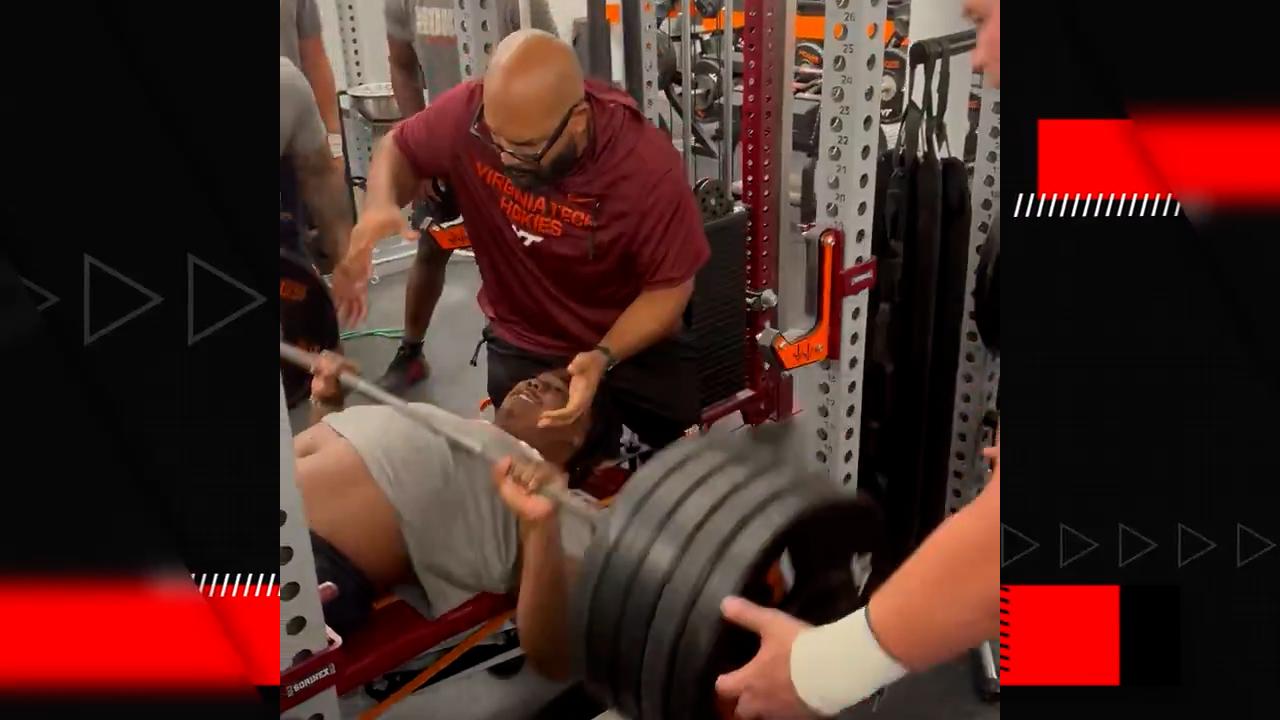 Kemari Copeland breaks a Virginia Tech record with 510-pound bench press
 Source: No vote on college sports bill expected before August